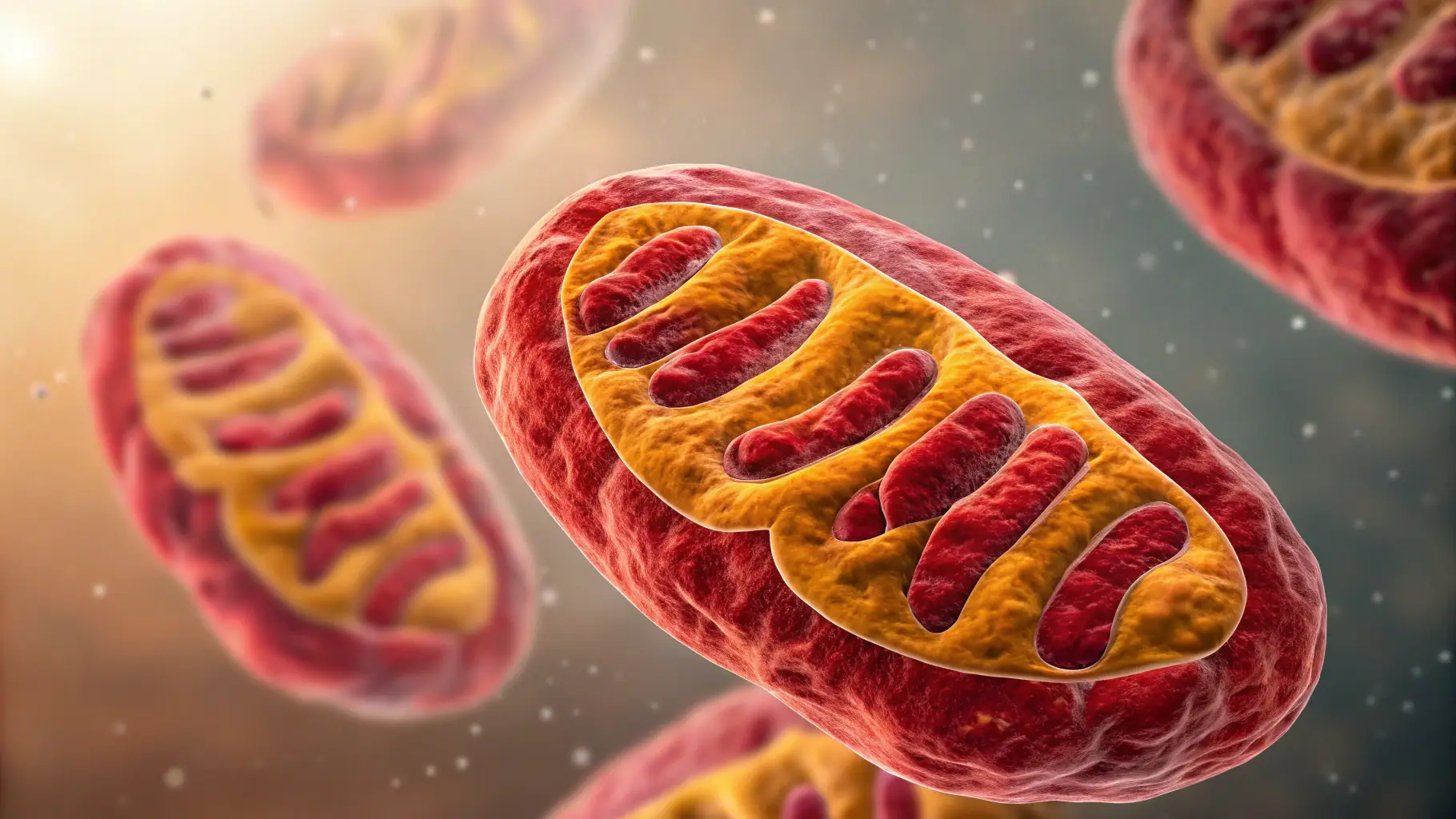
Nicotinamide adenine dinucleotide, better known as NAD+, is a molecule found in every cell of your body. It is central to how cells make energy and repair themselves, and levels appear to fall with age. That has made NAD+ one of the most talked-about topics in longevity. This guide explains what NAD+ does, what the research shows about raising it, and where the evidence is still thin. It is educational and not medical advice.
What Is NAD+ and What Does It Do?
NAD+ is a coenzyme, a helper molecule that enzymes need to do their work. A 2021 review in Nature Reviews Molecular Cell Biology describes it as central to energy metabolism and as a cofactor for enzymes involved in DNA repair, cellular stress responses, and immune function. In short, cells rely on it to produce energy and maintain themselves.
Why Do NAD+ Levels Decline With Age?
The same review reports that NAD+ levels gradually fall with age in multiple organisms, including rodents and humans, and that this decline has been linked to age-related conditions such as metabolic disease, cognitive decline, and muscle loss. Researchers are still working out why. One idea is that the body’s use of NAD+ increases while its ability to make or recycle it declines. The review is also clear about what is not yet known: whether restoring NAD+ is safe and beneficial in aging humans remains an open question. A decline that is associated with aging has not been proven to cause it.
Can You Raise NAD+ Naturally?
Some studies, many of them in animals or small human trials, suggest that lifestyle factors such as regular exercise and calorie restriction may influence NAD+ metabolism. The evidence in people is not strong enough to promise a specific effect, but these habits support health on their own terms:
- Regular exercise. U.S. guidelines recommend 150 to 300 minutes of moderate activity per week plus strength training on two or more days. See our exercise guide.
- Quality sleep and stress management. Both are foundations of healthy aging. See the Ultimate Guide to Longevity.
- A balanced diet with enough protein and vitamin B3 foods (such as fish, poultry, legumes, and whole grains).
NAD+ Precursor Supplements: What Do Human Trials Show?
Because NAD+ itself is hard to deliver in a pill, most supplements use precursors: nicotinamide riboside (NR) and nicotinamide mononucleotide (NMN). Human research exists, but it is still early and small.
| Study | What was tested | What it found |
|---|---|---|
| Martens et al., Nature Communications, 2018 | NR in healthy middle-aged and older adults (randomized, placebo-controlled crossover trial) | NR was well tolerated and raised NAD+ levels in blood cells. Exploratory results suggested it might lower blood pressure and arterial stiffness, which the authors said future trials should test. |
| Yoshino et al., Science, 2021 | NMN (250 mg/day) for 10 weeks in 25 postmenopausal women with prediabetes who were overweight or obese | Muscle insulin sensitivity improved by about 25 percent compared with placebo. Other measures, such as blood sugar, blood pressure, and cholesterol, did not change. The lead investigator said it is premature to make clinical recommendations. |
Taken together, these trials show that precursors can raise NAD+ and that short-term use appears tolerable in the groups studied. They do not show that these supplements extend lifespan or healthspan in people, and the studies were small and short.
Safety, Regulation, and Quality
- Talk to a clinician first. This matters especially if you are pregnant or breastfeeding, have a medical condition (including a history of cancer), or take prescription medicines, because long-term safety is not well established.
- Regulation has shifted. In September 2025, the FDA confirmed that NMN is not excluded from the definition of a dietary supplement, reversing a 2022 position. Dietary supplements are not approved by the FDA before they are sold, so quality varies.
- Choose quality products. Look for independent third-party testing and a clear label that lists the amount per serving. Be cautious with products that make dramatic anti-aging promises.
- Other forms and delivery methods. Claims for injections or IV drips are not well covered by the trials above, so ask a licensed clinician before considering them.
The Bottom Line
NAD+ is real biology, and its decline with age is an active area of research. But the human evidence for supplements is early: raised NAD+ levels and encouraging signals in small trials, not proof of longer life or better aging. If you are curious, build the fundamentals first, talk to your healthcare provider, and treat any supplement as an experiment to review rather than a guaranteed upgrade. For related reading, see Best Anti-Aging Supplements Backed by Clinical Research and 12 science-backed habits that extend healthspan.
Sources
- Covarrubias AJ et al., NAD+ metabolism and its roles in cellular processes during ageing, Nature Reviews Molecular Cell Biology, 2021
- Martens CR et al., Chronic nicotinamide riboside supplementation is well-tolerated and elevates NAD+ in healthy middle-aged and older adults, Nature Communications, 2018
- NIH Research Matters, Supplement improves glucose metabolism in women’s muscle (summary of Yoshino M et al., Science, 2021)
- CIRS Group, U.S. FDA confirms NMN lawful in dietary supplements (summary of the September 2025 FDA decision)
- U.S. Department of Health and Human Services, Physical Activity Guidelines for Americans, 2nd edition
Last updated November 6, 2026. This content is educational and not medical advice.
— G.A. Mingle, MHA/MBA