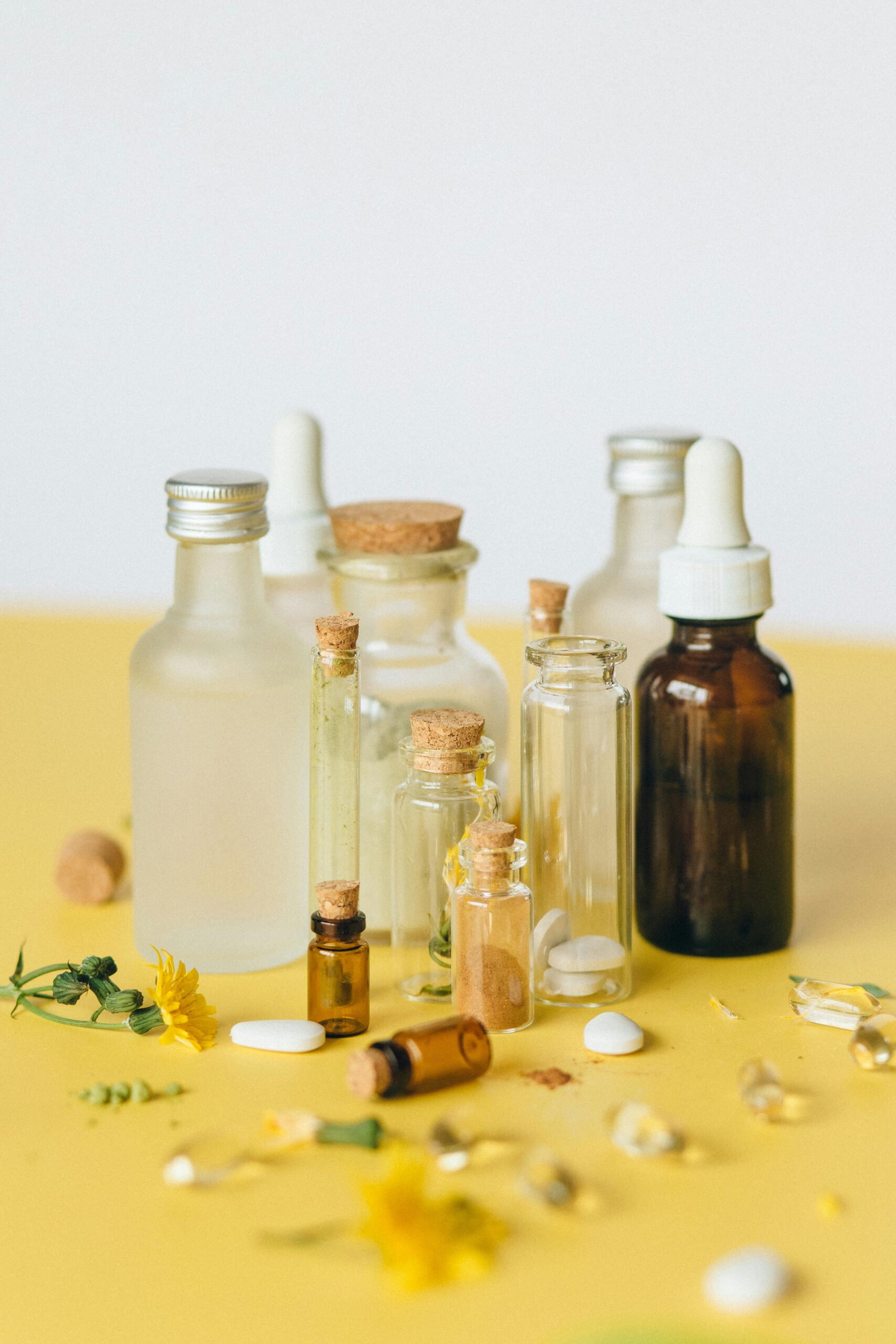
Walk through any supplement aisle and you will find dozens of products promising to slow aging. The reality is more modest: no supplement has been shown to slow aging in humans, but a few have decent evidence for specific, practical benefits. This guide separates what the research supports from what the marketing implies, so you can decide what is worth discussing with your healthcare provider.
Important Disclaimer
Supplements enhance fundamentals — they do not replace sleep, nutrition, or movement. This article is educational and is not medical advice. Supplements can interact with medications and may not be appropriate if you are pregnant, have a medical condition, or take prescription drugs, so check with a qualified healthcare professional before starting anything new.
The Most Evidence-Backed Anti-Aging Supplements
“Evidence-backed” here means there is credible human research for a specific purpose, such as heart health markers, bone health, or muscle performance. It does not mean any of these have been proven to extend lifespan.
1. Omega-3 Fatty Acids
- The NIH Office of Dietary Supplements notes that getting more EPA and DHA from food or supplements lowers triglyceride levels.
- The same NIH fact sheet reports that the American Heart Association does not recommend omega-3 supplements for people who are not at high risk of cardiovascular disease.
- Fatty fish such as salmon, sardines, herring, and trout are the simplest food sources.
- The FDA advises no more than 5 g/day of EPA and DHA combined from supplements, and high doses may cause bleeding problems for people taking blood thinners such as warfarin.
2. Magnesium (Glycinate or Threonate)
- Often used to support sleep and relaxation, though study results are mixed and the quality of evidence varies.
- Different forms are absorbed differently, and people with kidney problems should ask a clinician first.
- For forms and general considerations, see our guide to magnesium for sleep.
3. Vitamin D
- Vitamin D supports bone health, and getting enough along with calcium helps maintain healthy bones.
- A blood test for 25(OH)D is the best way to know your status. The NIH describes levels under 30 nmol/L (12 ng/mL) as associated with deficiency and 50 nmol/L (20 ng/mL) or higher as generally adequate.
- More is not better: levels above 125 nmol/L (50 ng/mL) may cause problems, and toxicity almost always comes from supplements rather than sun or food.
4. Creatine
- One of the most studied supplements. The International Society of Sports Nutrition concluded that short- and long-term use, up to 30 g/day for 5 years in studies, was safe and well tolerated in healthy people.
- Its strongest evidence is for muscle strength and high-intensity exercise performance. Evidence for cognitive and aging benefits is more preliminary.
- A typical maintenance approach in the research is around 3 g/day. See our article on creatine for adults over 30, and talk to your doctor first if you have kidney disease.
5. Polyphenols (Resveratrol, Curcumin)
- Antioxidant and anti-inflammatory effects are well described in lab studies, but results in people are much less clear.
- The National Center for Complementary and Integrative Health (NCCIH) says there is not enough evidence to conclude that turmeric or curcumin is beneficial for health conditions in general, with initial evidence in only a few areas such as knee osteoarthritis.
- NCCIH also reports liver damage in some people who used highly bioavailable curcumin products. Stop and talk to a clinician if you notice fatigue, nausea, dark urine, or yellowing of the skin or eyes.
Supplements to Be Cautious With
- Mega-dose antioxidants. Large doses of single antioxidants have not delivered the benefits once expected, and some trials in specific groups have raised concerns.
- Proprietary blends. They hide the amount of each ingredient, so you cannot tell whether any of them is dosed at a level studied in research.
- Influencer-marketed “longevity stacks.” Bundles are built to sell, not to match your labs, medications, or needs.
- NAD+ boosters such as NMN and NR. Early human trials are small and short. See our deep dive on NAD+ and longevity.
How to Build a Minimal Longevity Stack
- Test first. Ask your clinician whether bloodwork (for example vitamin D, a lipid panel, or other markers relevant to you) makes sense before you supplement.
- Add one supplement at a time. If you start several at once, you will not know what helped or caused side effects.
- Track sleep, energy, and cognition. Write down how you feel for a few weeks, and stop anything that does not clearly help.
- Choose quality. Look for products tested by an independent third party, and check labels for the actual amount per serving.
- Review it yearly. Share your full supplement list with your healthcare provider so interactions can be checked.
Bottom Line
Longevity supplements work best when they reduce friction in already good habits. Sleep, strength training, daily movement, and a protein-rich, mostly whole-food diet do far more than any capsule. Treat supplements as small adjustments, not shortcuts.
Sources
- NIH Office of Dietary Supplements, Omega-3 Fatty Acids Fact Sheet for Consumers
- NIH Office of Dietary Supplements, Vitamin D Fact Sheet for Consumers
- Kreider RB et al., International Society of Sports Nutrition position stand: safety and efficacy of creatine supplementation in exercise, sport, and medicine, J Int Soc Sports Nutr, 2017
- NCCIH, Turmeric
Last updated November 6, 2026. This content is educational and not medical advice.
— G.A. Mingle, MHA/MBA