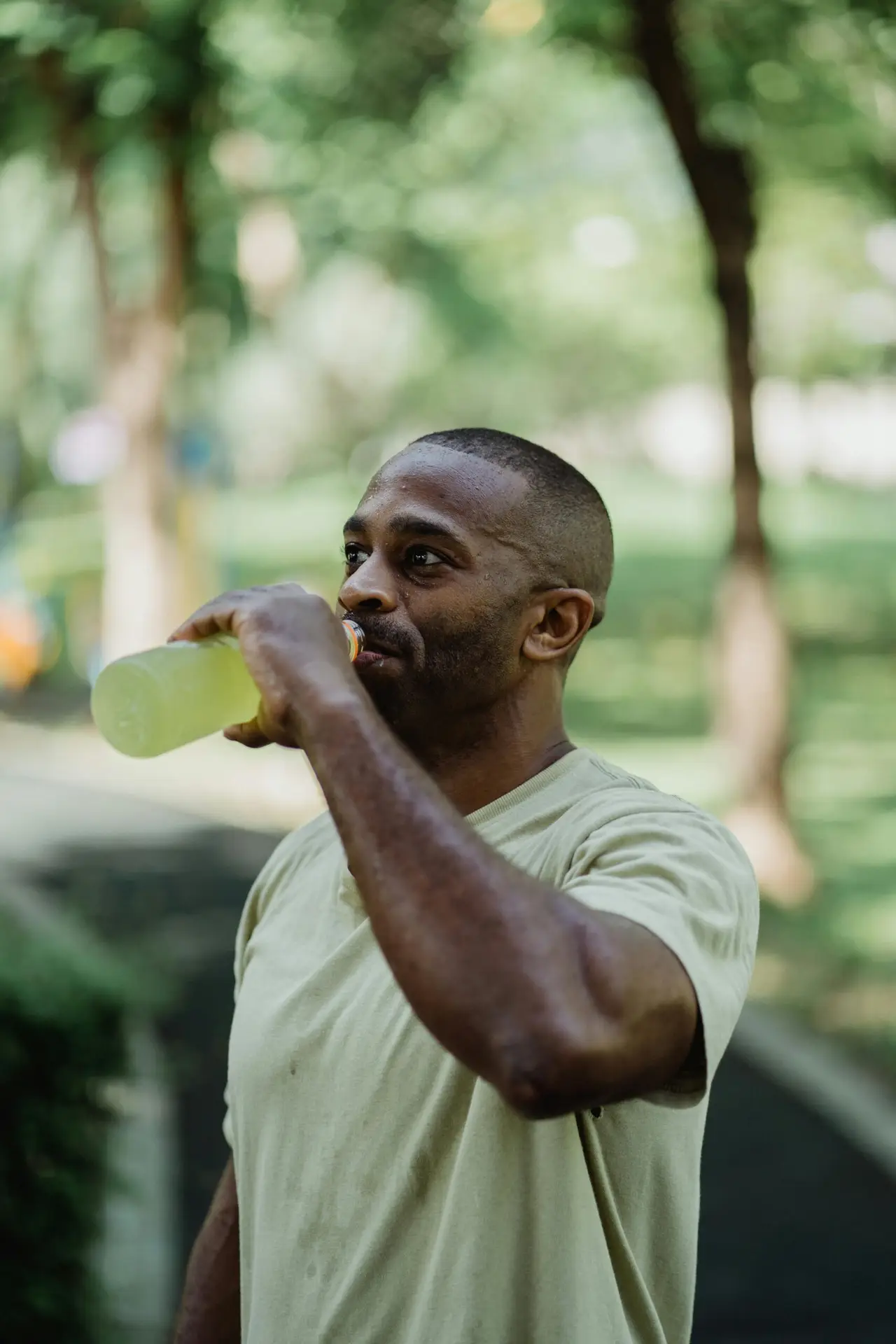
Why You’re Still Tired (Even If You Sleep Well)
You’re eating better.
You’re trying to sleep more.
You’re even taking supplements.
Yet by mid-afternoon, your energy crashes.
Before blaming stress, hormones, or caffeine dependence, consider one of the most overlooked drivers of fatigue:
👉 Dehydration.
Even mild dehydration (as little as 1–2% body water loss) can lead to:
- decreased energy
- poor concentration
- headaches
- reduced physical performance
- increased perceived fatigue
The problem isn’t just drinking more water.
It’s absorbing and retaining hydration effectively.
That’s where the right hydration tools come in.
How Hydration Directly Impacts Energy
Water plays a role in nearly every system tied to energy production.
Hydration supports:
- blood circulation (oxygen delivery)
- cellular energy production (ATP)
- temperature regulation
- cognitive function
- muscle contraction
But here’s the key insight:
👉 Water alone isn’t always enough.
Electrolytes—especially sodium, potassium, and magnesium—are essential for maintaining fluid balance and supporting nerve and muscle function.
Without proper electrolyte balance, water intake can pass through your system without fully hydrating you.
Signs You’re Not Properly Hydrated
Many people assume dehydration only shows up as thirst.
In reality, early signs include:
- afternoon fatigue
- brain fog
- headaches
- dizziness
- muscle cramps
- low workout performance
- dry skin
If you experience these regularly, your hydration strategy may need improvement.
Hydration Tools That Actually Improve Energy
Not all hydration solutions are created equal.
Below are the most effective tools that go beyond basic water intake and directly improve energy levels, recovery, and performance.
1. Electrolyte Drink Mixes (High Impact, Fast Results)
Electrolytes help your body retain fluid and support energy production.
One of the most popular options is LMNT.
Why It Works
- high sodium content (critical for hydration)
- no sugar or artificial fillers
- supports nerve and muscle function
- reduces fatigue and headaches
This is especially useful for:
- active individuals
- low-carb or fasting lifestyles
- people who sweat frequently
- those experiencing afternoon crashes
How to Use
- 1 packet in water in the morning
- another during or after workouts
Many people notice improved energy within days of consistent use.
2. Smart Water Bottles (Consistency Tool)
Hydration isn’t just about what you drink—it’s about consistency.
Smart water bottles track intake and remind you to drink throughout the day.
Popular features include:
- intake tracking
- reminder notifications
- app integration
These tools are ideal for:
- busy professionals
- people who forget to drink water
- desk-based workers
Consistency alone can significantly improve energy levels.
3. Mineral Drops (Advanced Hydration Support)
Mineral drops add trace minerals to your water.
Benefits include:
- improved electrolyte balance
- enhanced water absorption
- better hydration without sugar
These are especially helpful if your diet lacks mineral-rich foods.
4. Continuous Glucose Monitors (Hydration + Energy Insight)
Energy is not just about hydration—it’s also about blood sugar stability.
Tools like Levels provide real-time insight into how your body responds to:
- food
- stress
- hydration
Why this matters:
Dehydration can elevate stress hormones, which may impact blood sugar and energy.
Tracking both hydration habits and glucose responses helps identify patterns that lead to fatigue.
5. Wearables That Track Recovery & Hydration Impact
Energy isn’t just about intake—it’s about recovery.
Wearables like the Oura Ring track:
- heart rate variability (HRV)
- sleep quality
- recovery status
Hydration directly affects:
- HRV
- resting heart rate
- sleep quality
By tracking these metrics, you can see how hydration improvements impact overall energy.
6. Hydrogen Water Bottles (Emerging Trend)
Hydrogen-infused water is gaining attention for its potential antioxidant effects.
Early research suggests it may:
- reduce fatigue
- improve recovery
- support cellular energy
While still emerging, it’s a growing category in wellness optimization.
Hydration Strategy for Maximum Energy
Tools are only effective when paired with a strategy.
Morning Hydration (Critical)
Start your day with:
- 16–20 oz water
- electrolytes
This helps:
- replenish fluids lost overnight
- stabilize energy
- support cortisol rhythm
Avoid starting the day with coffee alone, which can increase dehydration.
Midday Hydration
Continue drinking water steadily.
Add:
- electrolytes if needed
- balanced meals to support absorption
This prevents the common afternoon crash.
Pre-Workout Hydration
Hydration before exercise improves:
- strength
- endurance
- focus
Electrolytes are especially important here.
Evening Hydration (Moderate)
Stay hydrated, but avoid excessive water right before bed to prevent sleep disruptions.
Hydration Mistakes That Kill Energy
1. Drinking Only Plain Water
Without electrolytes, hydration may be inefficient.2. Waiting Until You’re Thirsty
Thirst is a late signal.
By the time you feel it, you may already be mildly dehydrated.
3. Overconsuming Caffeine
Caffeine can mask fatigue while increasing fluid loss.
4. Ignoring Sodium Intake
Many people consume too little sodium, especially on clean or low-carb diets.
Sodium is essential for proper hydration.
How Hydration Supports Other Health Goals
Energy & Focus
Proper hydration improves cognitive performance and reduces mental fatigue.
Sleep Quality
Dehydration can increase heart rate and disrupt sleep patterns.
Muscle Recovery
Electrolytes support muscle contraction and reduce cramping.
Metabolic Health
Hydration supports digestion, nutrient transport, and blood sugar stability.
Sample Daily Hydration Routine
Morning
Water + electrolytes (LMNT)
Midday
Steady water intake + balanced meals
Afternoon
Optional electrolyte boost if fatigued
Pre-Workout
Hydration + electrolytes
Evening
Moderate water intake
Frequently Asked Questions
How much water should I drink daily?
General guideline:
- Men: ~3.7 liters/day
- Women: ~2.7 liters/day
Needs vary based on activity and climate.
Are electrolytes necessary every day?
Not always, but they are especially helpful for:
- active individuals
- hot climates
- fasting
- low-carb diets
Can hydration really improve energy?
Yes. Even mild dehydration can significantly reduce physical and mental performance.
Final Thoughts: Hydration Is a Performance Multiplier
If you’re constantly tired, hydration is one of the simplest and fastest variables to fix.
The key is not just drinking more water—but improving how your body:
- absorbs
- retains
- utilizes fluids
Using tools like electrolyte mixes, wearables, and hydration tracking systems can turn hydration into a structured, performance-driven habit rather than an afterthought.
When combined with proper sleep, nutrition, and stress management, hydration becomes a powerful lever for improving:
- daily energy
- cognitive clarity
- physical performance
- long-term health
Start simple.
Hydrate consistently.
And let small improvements compound into sustained energy throughout your day.