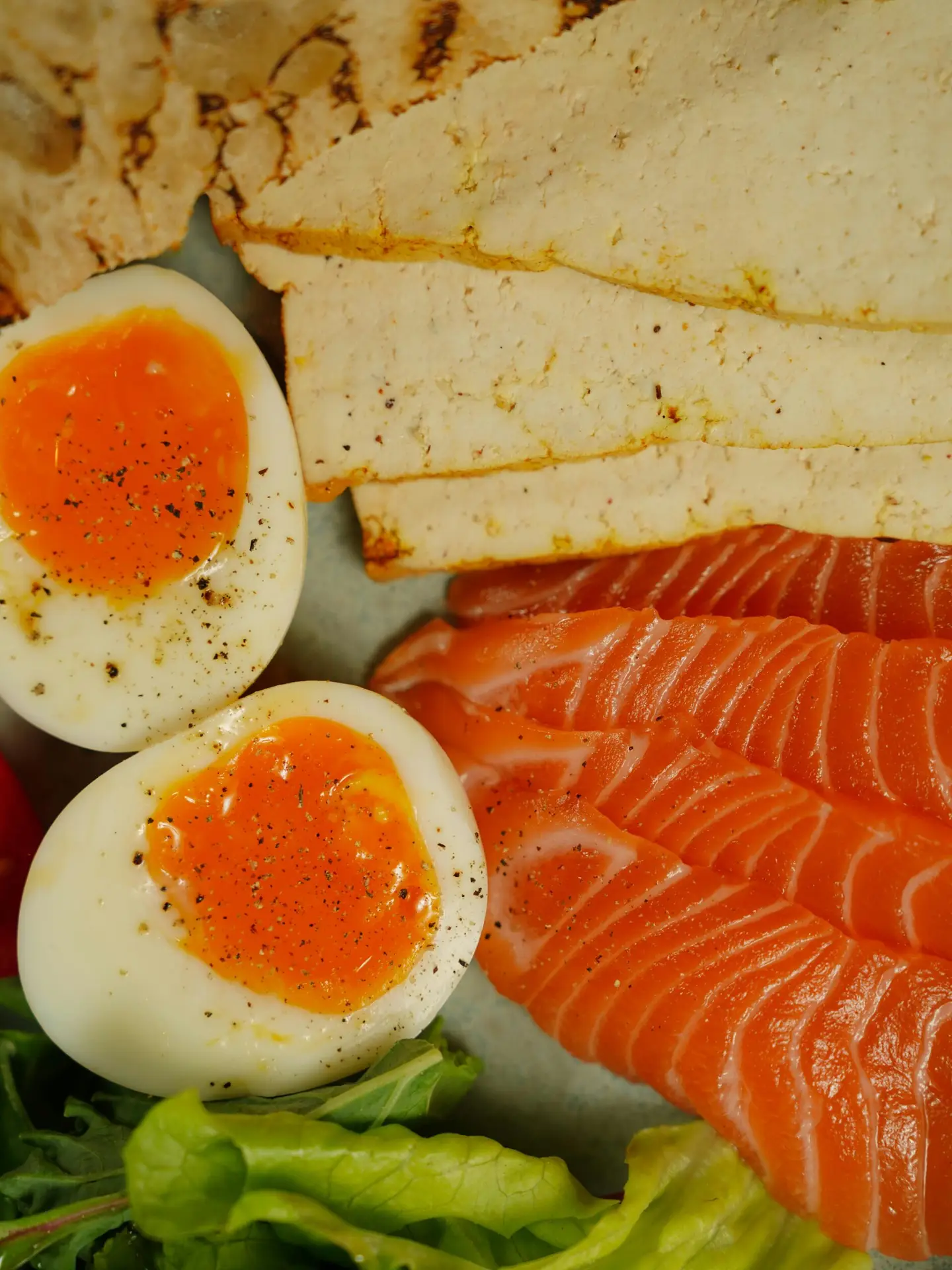
You hit your 30s and suddenly things feel… different.
Workouts don’t bounce back the way they used to. Fat loss requires more precision. Energy dips feel sharper. Recovery takes longer. And muscle? It seems harder to build — and easier to lose.
It’s not your imagination.
After age 30, we begin to experience subtle, progressive muscle loss (a process called age-related muscle decline). Hormonal shifts, stress, sleep debt, and sedentary work all compound the issue. And one of the biggest — yet most overlooked — levers for protecting strength, metabolism, and longevity?
Protein intake over 30.
Most adults are dramatically under-eating protein. Not because they don’t care — but because outdated recommendations are designed to prevent deficiency, not optimize healthspan.
Let’s break down what your body actually needs, why it changes after 30, and how to hit your numbers without obsessing over every gram.
Why Protein Needs Change After 30
Beginning in your 30s, your body becomes less efficient at stimulating muscle protein synthesis — the process that repairs and builds muscle tissue.
This phenomenon is often called “anabolic resistance.”
That means:
- You need more protein per meal to stimulate muscle repair.
- You need consistent intake across the day.
- Recovery becomes more nutrition-dependent.
Muscle isn’t just aesthetic. It’s metabolic armor.
Higher muscle mass is associated with:
- Better insulin sensitivity
- Lower inflammation
- Reduced injury risk
- Improved mobility later in life
- Stronger immune function
If your goal is aging well, preserving lean mass is non-negotiable.
And that starts with adequate protein intake over 30.
The Minimum vs. The Optimal Amount
You’ve likely heard the recommendation:
0.8 grams per kilogram of body weight per day.
That number is designed to prevent deficiency, not optimize muscle retention, metabolic health, or longevity.
Here’s what research suggests for adults over 30:
| Goal | Recommended Protein Intake |
|---|---|
| Minimum health baseline | 0.8 g/kg bodyweight |
| Active adults | 1.2–1.6 g/kg |
| Strength training | 1.6–2.2 g/kg |
| Fat loss phases | 1.8–2.4 g/kg |
For most busy adults, a practical range is:
0.7–1.0 grams per pound of bodyweight daily
Example:
- 150 lb adult → 105–150g protein/day
- 180 lb adult → 125–180g protein/day
This range supports:
- Muscle maintenance
- Stable energy
- Appetite control
- Recovery
Why Under-Eating Protein Is So Common
Here’s what a typical busy day looks like:
- Coffee + pastry (5g protein)
- Salad for lunch (10–15g protein)
- Pasta dinner (15–20g protein)
Total: maybe 30–40g.
That’s half — or less — of what most adults over 30 need.
The issue isn’t effort. It’s awareness and planning.
How Protein Supports Metabolic Health After 30
Protein intake over 30 isn’t just about muscle.
It directly impacts:
1. Blood Sugar Stability
Protein slows digestion and reduces glucose spikes. This improves:
- Energy consistency
- Reduced cravings
- Lower insulin demand
2. Satiety & Weight Regulation
Higher protein intake increases fullness hormones (GLP-1, PYY) and reduces late-night snacking.
3. Recovery & Inflammation
Amino acids are required to repair tissue damage from exercise and daily stress.
4. Cognitive Health
Adequate protein supports neurotransmitter production and mental clarity.
Protein is foundational — not optional.
How Much Protein Per Meal?
Spreading intake evenly matters.
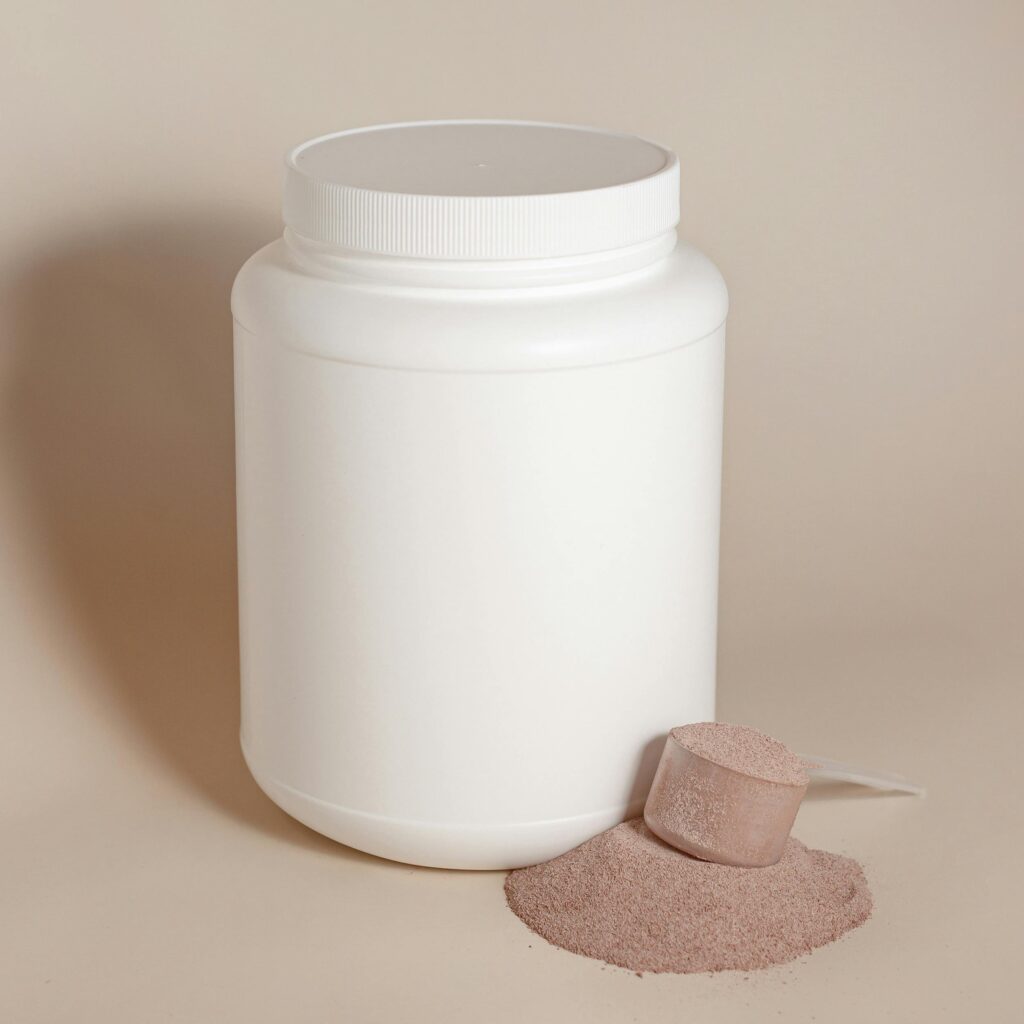
Aim for 25–40 grams per meal, depending on body size.
This ensures you reach the leucine threshold — the trigger for muscle protein synthesis.
Example structure:
- Breakfast: 30g
- Lunch: 35g
- Dinner: 40g
- Optional snack/shake: 25g
Even distribution is more effective than one massive dinner serving.
Best Protein Sources for Adults Over 30
Whole food is ideal — but convenience matters.
High-Quality Protein Sources
- Eggs
- Greek yogurt
- Cottage cheese
- Chicken breast
- Lean beef
- Salmon
- Tofu/tempeh
- Lentils + legumes
However, busy professionals often struggle to hit targets through whole foods alone.
That’s where strategic supplementation can help.
If you’re unsure which type works best for your lifestyle, see our guide on protein supplements for busy adults for a breakdown of whey, plant-based, collagen, and ready-to-drink options.
(Smart supplementation isn’t weakness — it’s logistics.)
Do You Need Protein Shakes?
Not necessarily.
But they are useful when:
- You skip breakfast
- You train early
- You’re in a fat loss phase
- Your appetite is low
- Your schedule is unpredictable
A high-quality protein powder can deliver 20–30g in under a minute.
For busy adults balancing career, family, and training, that can make the difference between under-eating and optimizing.
Is High Protein Intake Safe After 30?
For healthy individuals, higher protein intake within recommended ranges is safe.
Concerns about kidney damage primarily apply to individuals with pre-existing kidney disease.
In fact, adequate protein:
- Preserves bone density
- Supports muscle retention
- Improves metabolic resilience
Hydration remains important — especially if increasing intake significantly.
Protein Intake Over 30 for Fat Loss
When calories drop, muscle loss risk rises.
Higher protein intake during fat loss:
- Preserves lean mass
- Improves satiety
- Reduces metabolic slowdown
For adults over 30 cutting weight, aim closer to:
0.8–1.1g per pound of bodyweight
Protein becomes protective during caloric deficits.
What Happens If You Don’t Eat Enough Protein?
Chronic under-consumption can lead to:
- Gradual muscle loss
- Increased injury risk
- Slower recovery
- Poorer metabolic flexibility
- Greater fatigue
It happens slowly — which is why most people don’t notice it until years later.
Longevity isn’t built on extremes. It’s built on consistent adequacy.
Practical Ways to Increase Protein Intake Over 30
Here are simple adjustments that work:
1. Start With a Protein-Forward Breakfast
Swap toast-only breakfasts for:
- Eggs + Greek yogurt
- Protein smoothie
- Cottage cheese + fruit
2. Anchor Every Meal Around Protein
Instead of asking, “What carbs do I want?”
Ask, “What’s the protein source?”
3. Keep Portable Options Available
- Protein powder
- Greek yogurt cups
- Pre-cooked chicken
- Protein bars (minimal sugar)
4. Batch Cook Lean Proteins
Prepare:
- Grilled chicken
- Ground turkey
- Baked tofu
- Hard-boiled eggs
Make protein the easiest choice — not the hardest.
The Longevity Perspective
Muscle is a longevity organ.
It stores glucose, regulates metabolism, protects joints, and determines independence later in life.
After 30, muscle loss accelerates subtly. By 40 and beyond, it compounds if neglected.
Adequate protein intake over 30 is one of the simplest, highest-return interventions available.
It requires no expensive biohacking.
No extreme diet.
No trend-chasing.
Just consistency.
Final Takeaway
If you do one thing for your long-term health this year, make it this:
Prioritize protein at every meal.
Not obsessively.
Not aggressively.
But intentionally.
Because preserving strength, metabolism, and cognitive clarity starts with adequate building blocks.
If you’re unsure how to consistently reach your target, explore our complete guide to protein supplements for busy adults to find practical options that fit real life.
Your 40s, 50s, and 60s are being built right now.
Protein isn’t just about today’s workout.
It’s about future resilience.